.png)


Best Time to Visit Himachal Pradesh – Month-by-Month Guide
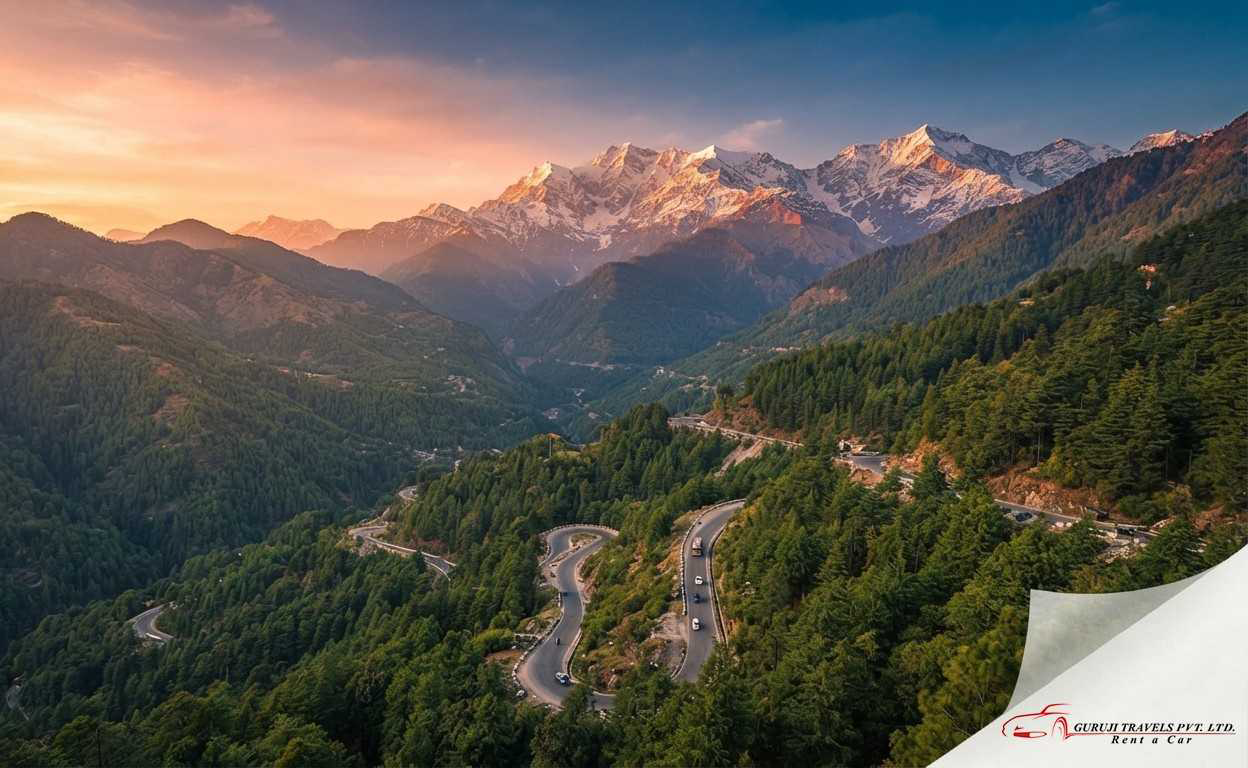
Himachal Pradesh doesn't really have a "wrong" time to visit - it just has different versions of itself depending on the month. The state you see in April, with apple orchards flowering and the air still carrying a bit of winter chill, is a completely different place from the Himachal of September, when the monsoon clouds have cleared out and the valleys look freshly washed. If you're trying to figure out the best time to visit Himachal Pradesh, the honest answer depends on what you actually want out of the trip - snow, greenery, quiet hill towns, or a busy market experience with everyone else who had the same idea.
This guide breaks the year down month by month, with approximate temperatures, rainfall patterns and crowd behaviour for each stretch, so you can match the season to the kind of trip you're planning, rather than guessing based on a generic "hill station" recommendation.
Book Your Himachal Trip With Us
Understanding Himachal's Three Broad Seasons
Before getting into individual months, it helps to think of Himachal Pradesh in three broad seasons. Summer (roughly April to June) is the most predictable window - warm days, cool nights, and roads that are mostly open. Daytime temperatures in towns like Shimla and Manali typically sit between 15°C and 25°C, while Dharamshala and Palampur run a touch warmer in the lower belt.
Monsoon (July to September) brings heavy rain in the lower and mid hills, occasional landslides on ghat roads, and a green cover that photographs beautifully but travels slowly. Rainfall during peak monsoon months can cross 250-300mm in a single month in the wetter districts, which is a big part of why road conditions become unpredictable.
Winter (October to February) is when the higher-altitude towns turn into snow destinations, while lower towns stay pleasantly cold without the extreme chill. Night temperatures in Shimla and Manali can drop close to freezing or below in January, while Dharamshala and Hamirpur usually stay a few degrees milder.
None of these seasons affect the whole state equally. A district like Kullu or Lahaul reacts to winter very differently from Dharamshala or Hamirpur, which sit lower and stay accessible almost all year. That's the part most generic travel blogs skip, and it's exactly where planning by region, not just by month, makes a difference.
Winter in Himachal Pradesh (December to February)

This is peak snow season. Shimla usually gets its first proper snowfall around late December, and by January, the Mall Road and Ridge area are covered in white - which is exactly why so many families and couples plan a New Year trip here. Daytime temperatures in Shimla hover around 5-10°C in this window, while nights can dip to 0°C or slightly below. Rainfall isn't the concern here - snowfall and cold are.
Warm layers are non-negotiable in these months. Roads stay open on most days, but sudden snowfall can cause short closures, especially heading toward Kufri or Narkanda.
If snow is the main goal, Shimla remains one of the more reliable choices because it balances snowfall with accessibility - unlike some higher routes that shut down completely. Travellers booking a Delhi to Shimla taxi during these months should keep an extra buffer of a few hours in the itinerary, since winter traffic on the hill stretch moves slower than usual.
Manali, at a higher altitude, gets even heavier snow but several upper routes toward Rohtang and Solang close entirely, limiting how far you can go without proper winter gear or a local guide. Since this is also peak New Year rush season, hotel prices in both Shimla and Manali can rise sharply between 20th December and 2nd January, so booking your stay and taxi at least 3-4 weeks in advance is a sensible move if your dates fall in that window.
Spring - The Underrated Window (March to April)

March and April are when Himachal starts shaking off winter but hasn't yet turned into peak summer. Daytime temperatures generally range between 12°C and 22°C depending on altitude, snow is still visible on the higher peaks, rivers are running full from the melt, and the lower valleys - Palampur especially - are covered in tea gardens turning a fresh green after the cold months.
This is genuinely one of the least crowded windows to visit, since it falls outside both the winter holiday rush and the summer school-vacation crowd, which also means hotel rates in this period tend to stay noticeably lower than what you'd pay in May or June.
Palampur, known for its sprawling tea estates, looks particularly good in spring when the air is still cool but the fog of deep winter has cleared. Anyone considering a Delhi to Palampur trip in an Innova Crysta will find this a comfortable stretch weather-wise, with clear visibility for the drive and pleasant daytime temperatures for sightseeing.
Summer - The Most Popular Season (May to June)

May and June are when Himachal Pradesh sees its highest tourist numbers, and for good reason. While the rest of North India deals with severe heat often crossing 40°C, hill towns like Manali, Shimla and Dalhousie stay in a comfortable range, often between 15°C and 25°C during the day. This is peak season for a reason - schools are on summer break, weather is dependable, and almost every route is open, including higher passes like Rohtang, weather permitting.
The trade-off is crowd and pricing. Hotels fill up fast, and popular spots like Mall Road or Solang Valley can feel more like a market than a mountain getaway. Hotel rates in Manali and Shimla can roughly double compared to the off-season during the last two weeks of May and through most of June, and last-minute availability becomes genuinely difficult closer to mid-May.
If you're planning a Delhi to Manali taxi for this period, booking well in advance isn't just recommended - it's necessary, since availability tightens considerably by mid-May. A safe rule of thumb is to lock in both your stay and your taxi at least 2-3 weeks ahead if you're travelling in this window, and even earlier if your dates fall around a long weekend.
For a slightly quieter summer alternative with similar weather benefits, smaller towns tend to offer the same pleasant climate without the peak-season chaos.
Monsoon - Green, But Unpredictable (July to August)

Monsoon transforms Himachal Pradesh visually - waterfalls swell, hillsides turn a deep green, and the usually dusty valleys look genuinely lush. But this comes with real practical concerns. Rainfall in these two months tends to be the heaviest of the year, frequently exceeding 250mm a month in several districts, and landslides are common on several ghat sections, particularly around Kullu-Manali and parts of the Shimla-Chandigarh highway. Sudden road closures aren't unusual after heavy rainfall.
Lower-altitude regions handle monsoon better than the high mountains. Dharamshala, home to McLeod Ganj and several monasteries, sits at a moderate elevation and generally stays more accessible than higher routes during this period, though rain showers are frequent. Travellers opting for a Delhi to Dharamshala Innova Crysta ride during monsoon should factor in longer travel times and keep flexible check-in plans in case of short delays en route.
On the upside, this is also the one stretch of the year when hotel prices drop noticeably and rooms are easy to find without advance booking - useful if your travel dates are flexible and you don't mind the occasional rainy day indoors. If your dates fall in peak monsoon, it's worth checking recent road advisories closer to the travel date rather than relying on a fixed plan made months in advance.
Autumn - Clear Skies Return (September to October)

By September, the rains taper off and Himachal enters what many frequent travellers consider its best overall stretch. Daytime temperatures settle into a comfortable 15-22°C range across most towns, skies clear up, humidity drops, and mountain views that were hidden behind monsoon clouds become sharp and visible again. Roads that were affected by landslides are usually repaired by this point, making it one of the smoother periods for road trips.
Dalhousie, with its colonial-era charm and pine-covered slopes, is particularly pleasant in autumn - not too cold yet, and free of the monsoon's unpredictability. A Delhi to Dalhousie Innova Crysta booking in this window tends to offer a comfortable ride with good visibility, ideal for the winding hill roads leading up to the town.
October also marks the start of the pre-winter rush, so the earlier weeks of the month are generally quieter and better priced than the later ones, when hotel rates begin climbing again ahead of the Diwali and winter holiday season.
Early Winter - The Quiet Transition (November)
November sits in between autumn and full winter. Temperatures start dropping noticeably, especially at night - daytime highs are usually in the 12-18°C range, dropping close to 4-8°C after dark - but snow hasn't arrived in most areas yet. It's a good month for travellers who want cold-weather vibes without dealing with actual snowfall disruptions.
Towns like Dalhousie and Hamirpur stay comfortably accessible through November, with far fewer tourists than the December rush, and hotel pricing in this month is usually at its most reasonable for the entire winter season. For those planning a Delhi to Hamirpur taxi trip, this month offers cool, clear days that work well for sightseeing without winter's extreme chill or summer's crowd.
Best Time to Visit, By Type of Traveller

Since "best time" really depends on what kind of trip you're planning, here's a quick breakdown by traveller type. Snow-seekers should aim for late December through February, when Shimla and Manali see consistent snowfall, keeping in mind that late-December hotel and taxi prices peak around the New Year window. Honeymooners often prefer April-May or September-October, when the weather is mild and crowds are thinner than peak summer.
Families with school-going kids are usually locked into May-June due to vacation schedules, despite the higher crowd and pricing - booking accommodation and transport 2-3 weeks ahead is worth the effort in this window. Adventure travellers looking for trekking routes typically find May-June and September-October ideal, since monsoon makes trails unsafe and winter closes many of them entirely.
Groups planning a longer multi-town circuit - say, covering Dharamshala and then heading toward smaller towns - often benefit from a larger vehicle for comfort on long hill stretches. A Delhi to Dharamshala Tempo Traveller booking works well for such group itineraries, particularly outside peak monsoon when road conditions are more predictable.
Why Travellers Book With Guruji Travels

Whichever month you choose, the ride itself matters as much as the destination. Guruji Travels has been operating government-certified taxi services since 2004, with a fleet that covers everything from Hatchbacks and Sedans to Ertiga, Innova Crysta and Tempo Traveller, depending on group size and route. Every quote is all-inclusive - fuel, toll and driver charges are built in upfront, with no hidden add-ons once you're on the road.
For bookings or route-specific queries, you can reach the team directly at +91 9870280071, or call the 24/7 support line at +91 9218091913 for on-trip assistance.
Frequently Asked Questions
What is the best month to visit Himachal Pradesh?
March to June and September to November are generally the most reliable months, offering good weather, clear views and manageable road conditions across most of the state.
Which month is best for snowfall in Himachal Pradesh?
December to February usually brings the heaviest snowfall, particularly around Shimla, Manali and higher-altitude areas.
Is it safe to travel to Himachal Pradesh during monsoon?
Travel is possible but needs caution due to landslides and slippery roads on hill stretches. Lower-altitude towns like Dharamshala and Palampur tend to be relatively more manageable than high-mountain routes during this period.
When should I avoid visiting Himachal Pradesh?
Late July and August, during peak monsoon, tend to see frequent landslides and road blockages in several districts, making travel plans less predictable.
How far in advance should I book during peak season?
For May-June and the late-December to early-January window, it's best to book both hotels and taxis at least 2-3 weeks ahead, since prices in these stretches can double and availability drops fast as the dates get closer.
Final Thought
There isn't one universal "best time" for Himachal Pradesh - there's a best time for what you're looking for. Snow, greenery, quiet roads or festival-season buzz - each shows up in a different month, in a different part of the state. What ties all of it together is planning: knowing which weeks bring the crowds and the price hikes, which months reward flexibility with better rates and quieter roads, and which stretches simply need a bit more caution on the highway. Once you know what you want from the trip - and when the rest of the country wants the same thing - matching it to the right month becomes a lot easier than it sounds, and the trip itself ends up a lot smoother.
Contact Us for Custom Itinerary